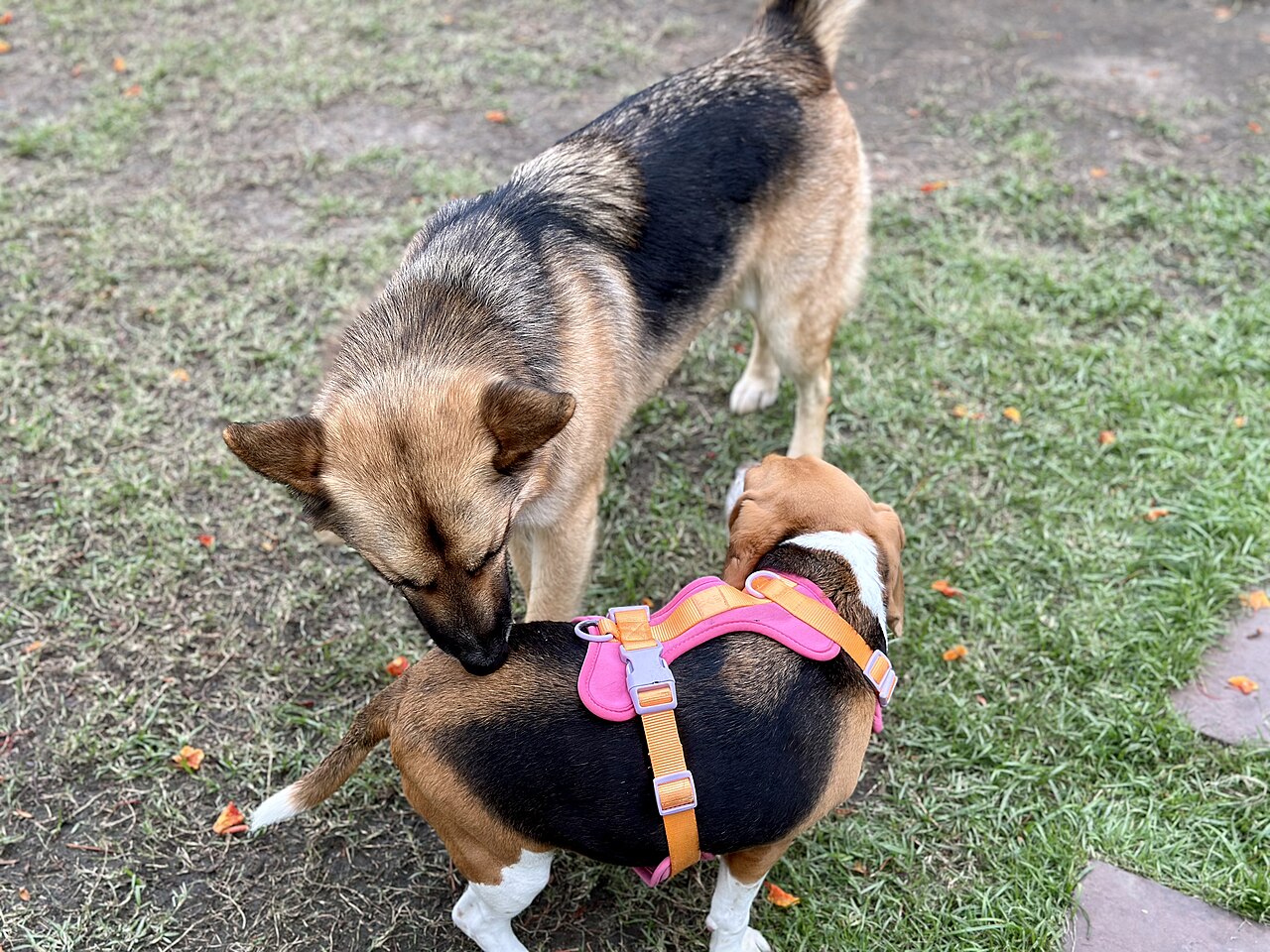
Many potential pet adopters harbor a heartfelt desire to rescue animals, yet they feel a deep sense of hesitation when it comes to adopting large dogs. This can lead to feelings of guilt as larger breeds often languish in shelters for months, all while smaller dogs find homes more quickly. As a compassionate pet lover, you might find yourself wondering how to navigate the landscape of large dog adoption in Canada.
The stigma attached to adopting large dogs does not stem from a lack of interest among potential adopters, particularly younger Canadians. Instead, misconceptions and biases often cloud judgment, leading many to overlook the joy and companionship that larger breeds can bring into their lives.
Understanding the Challenge
In Canada, shelters are frequently reporting full capacities, especially for larger breeds. Many potential adopters are unaware that large dogs can be just as loving, loyal, and suitable for family life as their smaller counterparts. In fact, younger Canadians are increasingly open to welcoming big dogs into their homes, but they often need more information to overcome the stereotypes surrounding large breeds.
Many shelter workers have found that large dogs tend to stay longer in care, which can create a cycle of neglect and misunderstanding about these magnificent animals. With the right marketing strategies targeting lifestyle-fit messaging, particularly aimed at younger audiences, we can help change this narrative.
Practical Steps You Can Take Today
- Educate Yourself: Learn about the unique traits of large breeds, including their exercise needs, temperament, and lifestyle compatibility.
- Visit Shelters: Spend time in your local shelters and meet large dogs. You might be surprised by how well they could fit into your life.
- Share Your Experience: If you already have a large dog, share your positive experiences on social media to help spread awareness.
- Foster a Large Dog: Consider fostering as a way to enrich your life while providing a temporary home for a dog in need.
- Discuss with Family: Talk to family members about misconceptions they might have about large breeds and work together to educate each other.
How Canada Adopters and Owners Navigate This
Across Canada, those who adopt large dogs often come from various backgrounds, including urban centers where space may be limited and rural areas with ample land. In urban settings, many owners make room in smaller homes by investing in regular outdoor adventures, hiking, and even doggy daycare. On the contrary, in rural landscapes, owners often have the freedom to provide ample space for their dogs to roam and play.
Many shelters are responding to the challenge by adjusting their practices to include lifestyle-fit messaging that resonates with young Canadian adopters. As they work to improve the chances of large dog adoptions, these organizations advocate for responsible pet ownership and stress the emotional and physical well-being benefits of adopting these wonderful companions.
How Pawsitive Placements Helps
Pawsitive Placements understands the pressing need to promote large dog adoption effectively. By offering verified listings and documented communication, we create transparency in every adoption journey. Our rehoming tools feature user-friendly interfaces, allowing pet owners to connect with potential adopters through heartfelt storytelling. If you're looking to rehome a large dog, please visit this link to get started today, or browse our available pets if you wish to adopt. Together, we can reduce the stigma associated with large breed adoption.
When to Seek Extra Support
As you consider adopting or rehoming a large dog, it's crucial to know when to seek additional support. If you encounter behavioral issues, enlisting a professional dog trainer can make a world of difference. Your veterinarian is also an invaluable resource, offering guidance on health care, dietary needs, and any other concerns that may arise. Furthermore, local rescues and crisis resources are available should you ever find yourself in need of assistance or advice during the adoption process.
Overcoming the stigma around large dog adoption is not just about one person; it requires a community effort. If you’re an owner, we encourage you to list your pet at this link. For those looking to make a difference in a dog's life, check out our available big pups at this link.
Frequently Asked Questions
Why do larger dogs stay longer in shelters?
Larger dogs often remain in shelters longer due to biases and misconceptions about their care and behavior. Many adopters may feel overwhelmed by the commitment associated with larger breeds.
What are some misconceptions about adopting large dogs?
Some people believe large dogs require more space, more exercise, or are harder to train. However, many large breeds are gentle and make great companions in various living situations.
Are large dogs good for families?
Yes! Many large dog breeds are known for being loyal and gentle, making them excellent family pets. With the right training and socialization, large dogs can thrive in family settings.
How can I encourage others to adopt large dogs?
Share your positive experiences on social media and talk about the benefits of adopting large dogs. Supporting local shelters through fundraising or volunteering can also help raise awareness.
What are the benefits of adopting a large dog?
Adopting a large dog can provide a sense of companionship, increase physical activity, and create a loving home environment. Large dogs often bond deeply with their families.