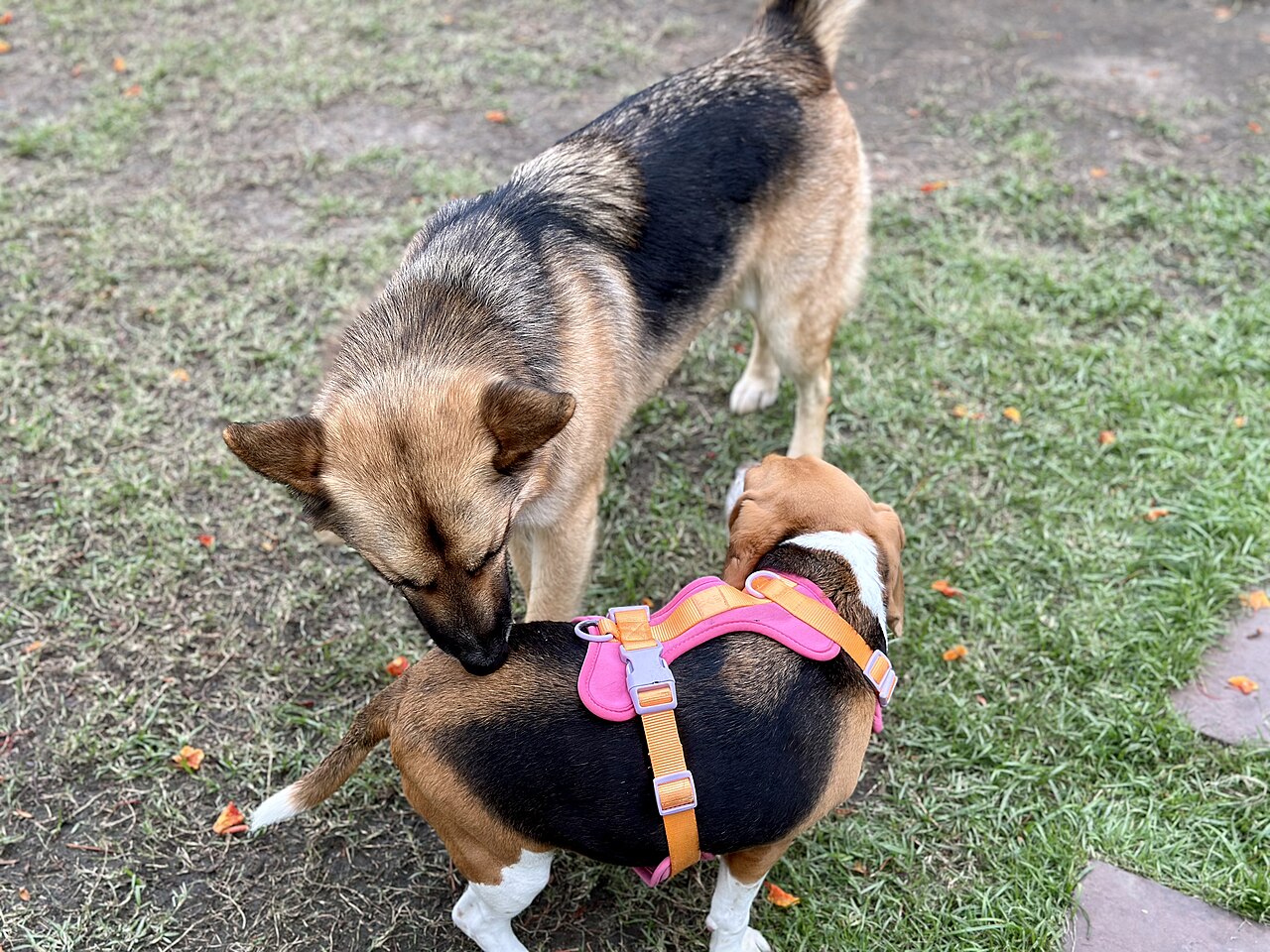
Large dogs are frequently overlooked in shelters and rescue networks. Size alone is not a behaviour diagnosis, and many big dogs are calm household companions when matched to the right home.
If you have the space, budget, and lifestyle for a larger animal, you may be able to shorten a long shelter stay for a pet that smaller-dog shoppers skip.
Understanding the Challenge
Shelter teams commonly report that larger dogs can take longer to place because of housing rules, deposit policies, yard assumptions, and outdated “dangerous breed” stereotypes. Those barriers are real even when an individual dog is well mannered.
There is no single national statistic that proves “younger Canadians prefer large dogs” or any other demographic claim in that form. What we can say from shelter reporting is simpler: capacity pressure is high in many regions, and harder-to-place animals—including many large dogs—need deliberate adopters.
Practical Steps You Can Take Today
- Meet the individual dog. Ask about leash manners, alone time, dog-dog skills, and medical needs.
- Confirm housing permission in writing. Weight limits and breed restrictions catch people after adoption.
- Budget for food and vet care. Larger bodies usually mean higher ongoing costs.
- Ask for a foster trial when offered. Short trials reduce returns.
- Share accurate listings if you are rehoming. Do not downplay size, strength, or training needs.
How Canada Adopters and Owners Navigate This
Apartment and condo bylaws vary widely. Some buildings ban dogs over a weight threshold regardless of temperament. Rural homes may have more space but still need secure fencing and winter care plans.
Owners rehoming a large dog should document training, reactivity triggers, and exercise needs so applicants can self-select honestly.
How Pawsitive Placements Helps
Listings on Pawsitive Placements are designed for clear disclosures. Owners can list a pet for rehoming; adopters can browse pets available for adoption and compare applications with housing and experience details included.
When to Seek Extra Support
If a large dog has behaviour concerns, work with a force-free trainer or behaviour professional before rehoming or adopting. For legal breed restrictions in your municipality, check local bylaws—not social media summaries.